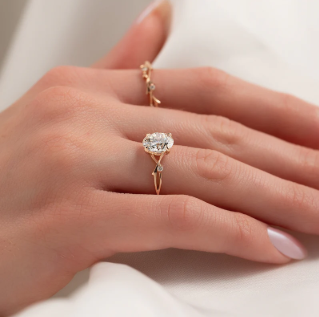
The landscape of engagement rings is changing, with more couples moving away from traditional choices and embracing alternative gemstones. While diamonds have long been the dominant option, the growing interest in other stones reflects a broader shift toward individuality, creativity, and personal meaning. This evolution highlights the changing priorities of modern couples and the desire to make more intentional choices.
One of the primary reasons for the rise of alternative gemstones is the desire for uniqueness. Many people no longer want a ring that looks like everyone else’s. Instead, they are seeking something that feels distinctive and personal. Alternative gemstones offer a wide range of colors, textures, and visual effects, making it easier to create a ring that stands out. Each stone has its own character, allowing couples to choose something that resonates with their personal style.
Another factor contributing to this trend is the emotional significance associated with different gemstones. While diamonds are often linked to strength and permanence, other stones can carry their own symbolic meanings. Moss agate rings, for instance, are often appreciated for their organic, nature-inspired patterns, which can symbolize growth, balance, and a connection to the natural world. These associations add an extra layer of meaning to the ring, making it more than just a decorative item.
Cost is also an important consideration. Alternative gemstones are often more affordable than diamonds, allowing couples to explore a wider range of options without exceeding their budget. This affordability does not necessarily mean compromising on beauty or quality. In many cases, alternative stones offer unique visual appeal that cannot be replicated by traditional diamonds, making them an attractive choice for those seeking something different.
Ethical and environmental concerns have also played a significant role in the growing popularity of alternative gemstones. As awareness of sourcing practices increases, many buyers are seeking options that align with their values. Alternative stones, as well as lab-grown options, can provide a more transparent and sustainable choice. This shift reflects a broader trend toward conscious consumerism, where the impact of a purchase is considered alongside its aesthetic appeal.
See also: How to Pursue a Degree in Equine Science and Sports Management
Design flexibility is another advantage of alternative gemstones. Because they are less bound by traditional expectations, they allow for greater creativity in ring design. Couples can experiment with different shapes, settings, and combinations of stones to create something truly unique. This freedom encourages a more personalized approach, ensuring that the final piece reflects the individuality of the relationship.
The influence of social media and changing cultural norms has also contributed to this trend. Exposure to a wider variety of styles and designs has inspired more people to think outside the box when it comes to engagement rings. As a result, what was once considered unconventional is now becoming more widely accepted and even celebrated.
Ultimately, the growing popularity of alternative gemstones reflects a shift in how engagement rings are perceived. Rather than adhering to a single standard, couples are embracing diversity and individuality in their choices. This evolution ensures that engagement rings remain meaningful while allowing for greater creativity and personal expression.