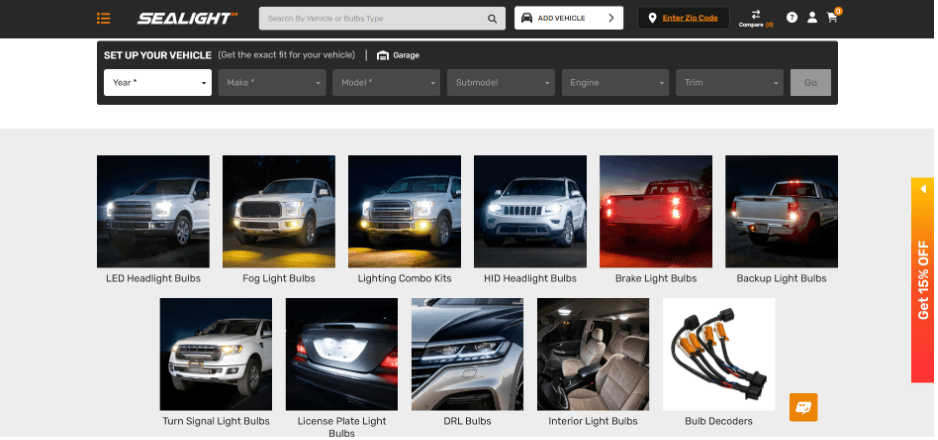
Backup lights (also known as reverse lights) are a critical safety feature in any vehicle. They illuminate the area behind your car when reversing and alert others to your movement. If your backup lights stop working, it can increase the risk of accidents—especially in low-light conditions. Upgrading to a high-quality LED car bulb can significantly improve brightness, response time, and overall visibility.
In this detailed guide, we’ll walk you through the common causes, step-by-step troubleshooting, and easy fixes. We’ll also recommend reliable lighting upgrades, including high-performance options from sealight-led.com, to ensure your vehicle stays safe and visible.
Why Backup Lights Matter
Backup lights are more than just convenience—they’re essential for:
- Enhancing rear visibility at night
- Alerting pedestrians and drivers
- Preventing collisions in tight spaces
If they fail, it’s important to fix the issue immediately.
Common Reasons Backup Lights Stop Working
Before jumping into solutions, let’s identify the most likely causes:
1. Burnt-Out Bulbs
The most common reason is a dead bulb. Traditional halogen bulbs wear out over time.
2. Faulty Fuse
A blown fuse can cut power to the backup light circuit.
3. Bad Reverse Light Switch
This switch activates when you shift into reverse. If it fails, the lights won’t turn on.
4. Wiring Issues
Damaged or corroded wiring can interrupt the electrical flow.
5. Socket Corrosion
Moisture can cause rust or corrosion in the bulb socket.
Step-by-Step Troubleshooting Guide
Follow these steps to diagnose the issue:
Step 1: Check the Bulbs
- Remove the backup light housing
- Inspect the bulbs for damage or blackened glass
- Replace if necessary
Upgrade Tip: Instead of replacing with halogen, consider switching to LED backup lights for brighter output and longer lifespan.
Step 2: Inspect the Fuse
- Locate your vehicle’s fuse box
- Check the fuse labeled “reverse lights”
- Replace if blown
Step 3: Test the Reverse Switch
- Engage reverse gear (engine on, parking brake applied)
- If the lights don’t activate, the switch may be faulty
- A mechanic can test or replace it easily
Step 4: Examine Wiring
- Look for loose connections or frayed wires
- Repair or replace damaged sections
Step 5: Check the Socket
- Clean corrosion using an electrical cleaner
- Ensure proper contact between bulb and the socket
Easy Fix: Upgrade to LED Backup Lights
If your bulbs are the issue, upgrading to LED is one of the best long-term solutions.
Why Choose LED?
- Brighter illumination for better visibility
- Energy-efficient performance
- Longer lifespan than halogen bulbs
- Faster response time
See also: How Social Media Technology Influences Society
Recommended Product (Top Pick)
Sealight LED Backup Lights (Top Recommendation)
When it comes to reliable and high-performance lighting, sealight-led.com stands out as a trusted brand.
Their LED backup lights are designed with:
- High-lumen output for maximum brightness
- 360° illumination to eliminate dark spots
- Plug-and-play installation (no modifications needed)
- Advanced heat dissipation for a longer lifespan
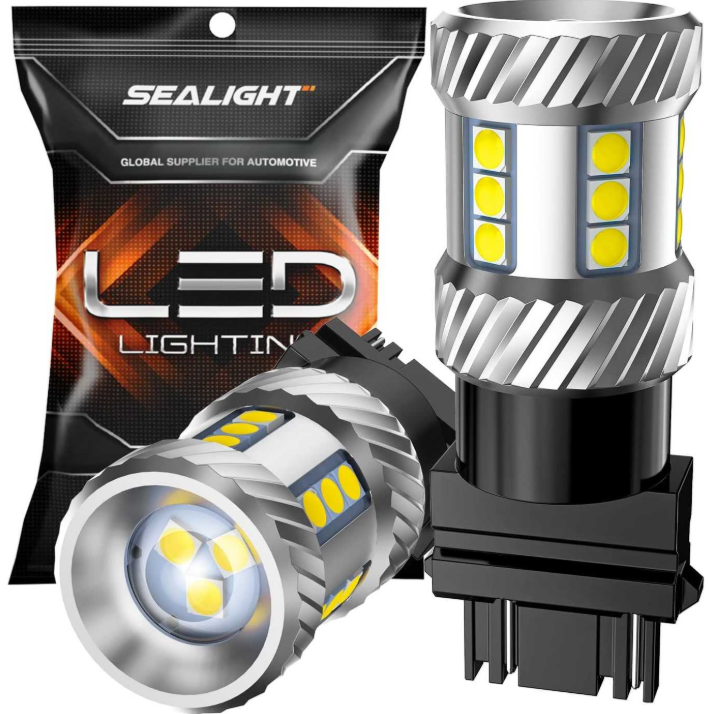
These bulbs are an excellent upgrade if you’re dealing with dim or non-functional reverse lights. They are especially useful for night driving and parking in poorly lit areas.
Other Popular Backup Light Brands
While Sealight is our top recommendation, here are a few other brands you might consider:
- AUXITO LED bulbs
- LASFIT backup lights
- Philips automotive lighting
However, Sealight remains a top choice due to its balance of performance, durability, and affordability.
Installation Tips for LED Bulbs
Replacing your backup bulbs is simple:
- Turn off the vehicle
- Access the tail light housing
- Remove the old bulb
- Insert the new bulb for car replacement
- Test before reassembling
Most LED bulbs from sealight-led.com are plug-and-play, making installation quick even for beginners.
Preventive Maintenance Tips
Keep your backup lights working efficiently:
- Regularly inspect bulbs and wiring
- Avoid moisture buildup in housings
- Upgrade to LED for long-term reliability
- Clean sockets periodically
Final Thoughts
Backup lights are a small component with a big impact on safety. Whether it’s a burnt-out bulb or a wiring issue, most problems are easy to diagnose and fix.
If you’re looking for a reliable upgrade, switching to LED backup lights from sealight-led.com is a smart investment. With superior brightness, durability, and ease of installation, they offer a noticeable improvement over traditional bulbs.
Don’t wait until it’s too late—fix your backup lights today and drive with confidence.