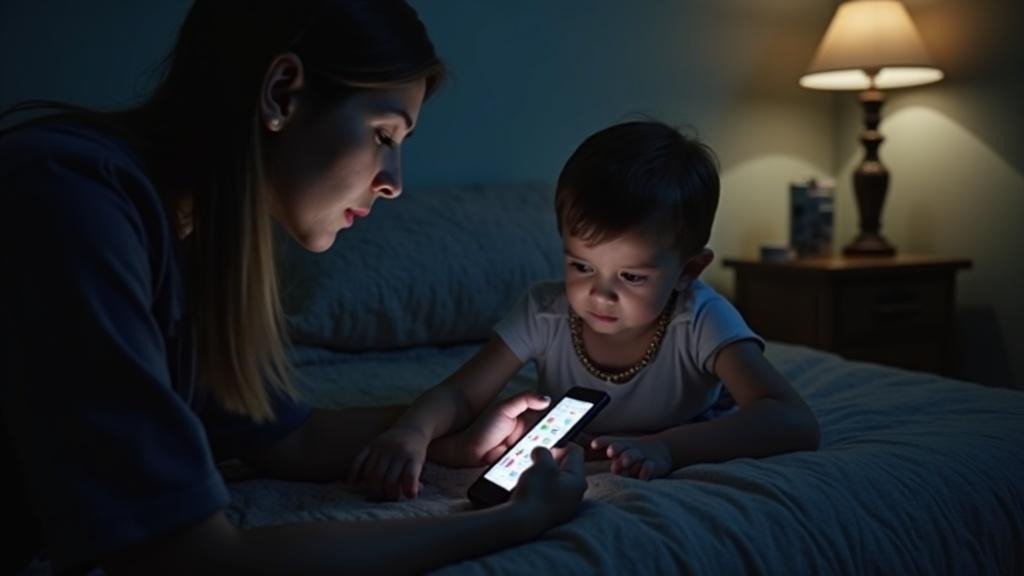
The mistake I see constantly: parents download a drill app, sit a nervous four-year-old in front of flashcards, and wonder why the child shuts down after three minutes. The app is technically fine. The format is wrong. For kids with ADHD, sensory sensitivities, autism, or speech delay, “low-pressure” is not a nice-to-have. It is the whole ballgame.
Here are the eleven options I think are worth your time, ranked by how well they actually reduce pressure rather than just slap a cartoon face on a word list.
For outside context, see this asha.org.
1. Little Words
Buddy, the app’s AI companion, holds a real back-and-forth conversation with a child. He remembers the child’s name, their favorite topics, and where they left off last session. That matters. A lot. Before each session there is a quick mood check, and Buddy adjusts his energy level accordingly, so a dysregulated kid is not immediately hit with loud enthusiasm. Feedback is model-only: Buddy repeats the target sound correctly, never flags the child’s attempt as wrong. Parents receive SLP-style PDF progress reports formatted so they can be handed straight to a therapist. Sessions run 5 to 20 minutes, and sensory presets (calm, gentle, high-energy) let you match the app to the child’s nervous system that day. COPPA-compliant, no ads, no data sold. The app offers a no-cost trial period so you can test it before committing to a subscription.
One honest note worth dropping here: no app, including this one, replaces evaluation and treatment from a licensed speech-language pathologist.
See also: How Social Media Technology Influences Society
2. Speech Blubs
Voice-controlled throughout, which removes the motor barrier of tapping through menus. Over 1,500 activities covering apraxia, autism, delay, and ADHD, with a face-filter feature that kids find genuinely funny (they watch themselves make mouth shapes in the camera). About $14.49 a month or $59.99 a year, with a lifetime option at $99.99. The humor element is underrated for anxious speakers.
3. Otsimo Speech Therapy
Built for non-verbal kids, autism, Down syndrome, and apraxia. The AI gives real-time feedback on pronunciation attempts, which is rare at this price point ($4.49/month on an annual plan, $6.99 month-to-month, $115.99 lifetime). Over 200 structured exercises. It leans more clinical than playful, but the adaptive AI feedback means a child is not grinding through one-size-fits-all drills.
4. Articulation Station (Little Bee Speech)
Designed by speech-language pathologists, targeting over 1,200 words across all the major sounds. The Pro version runs about $59.99 one-time. Straightforward. This is the app I recommend when a family already has an SLP directing goals and just needs clean, reliable drill practice at home between sessions. No frills, but the word lists are thorough and the clinical grounding is real.
5. Tactus Therapy Apps
A suite of individual clinical apps, each focused on a specific skill area. Individual apps span from around $9.99 at the low end to around $99.99 at the top. Tactus targets older kids and adults more than toddlers, and the interface is no-nonsense. If a school-age child is working on a narrow, specific target, buying one focused Tactus app often beats subscribing to a broader platform.
6. Constant Therapy
Evidence-based, with over 65 skill areas and adaptive difficulty that shifts based on the child’s actual performance. Spans a wider age range than most apps here. The clinical backing is solid. The interface is more tablet-worksheet than game, so buy-in from younger or more distractible kids can be a challenge. Better suited to school-age children who are already motivated.
7. Teletherapy With an SLP (Expressable and Others)
Not an app in the traditional sense, but teletherapy via platforms like Expressable puts a licensed clinician in front of your child via video. Weekly sessions, homework, and direct SLP oversight. The cost is higher than any app, but the ceiling on outcome is also higher. For kids with moderate-to-severe delays, this is the baseline I keep coming back to recommending.
8. ASHA Free Resources (ProFind + Public Tools)
The American Speech-Language-Hearing Association’s public website includes a clinician-finder tool and free parent guides. Zero cost. Not interactive practice, but if you are trying to understand what your child’s specific goals should be before picking an app, starting here saves a lot of wasted subscriptions.
9. Library Speech and Language Apps
Many public library systems offer free access to app collections through platforms like Libby or Hoopla, with some including language-development titles. Check your library’s digital catalog. Free beats cheap every time if the content fits.
10. Hallo and Conversational AI Practice Tools
Hallo and similar AI-conversation apps were built primarily for language learners, but older kids (roughly 8 and up) practicing fluency, word retrieval, or second-language speech sometimes benefit from the low-stakes chat format. Not designed for speech disorders. Worth knowing about for the right narrow use case.
11. YouTube Speech Therapy Channels (Free Structured Practice)
Several licensed SLPs run YouTube channels with modeled practice videos. Not adaptive, not personalized, but free and surprisingly effective for home practice of specific sounds when a child is comfortable watching video. A useful supplement, not a standalone solution.
Quick Comparison
| App / Option | Best For | Pressure Level | Approx. Cost |
| Little Words | Ages 2-8, neurodivergent, pre-readers | Very low | Free trial + subscription |
| Speech Blubs | Apraxia, autism, ADHD, visual learners | Low | $14.49/mo or $59.99/yr |
| Otsimo | Non-verbal, autism, Down syndrome | Low-medium | $4.49/mo (annual) |
| Articulation Station | SLP-directed home drill | Medium | ~$59.99 one-time |
| Tactus Therapy | Specific targets, school-age | Medium-high | $9.99-$99.99/app |
| Constant Therapy | Evidence-based, broader ages | Medium | Subscription |
| Teletherapy (SLP) | Moderate to severe delays | Clinician-managed | Varies |
| ASHA Tools | Research and clinician-finding | N/A | Free |
| Library Apps | Budget-conscious families | Varies | Free |
| Hallo / AI Chat | Older kids, fluency practice | Low | Varies |
| YouTube Channels | Sound modeling, supplement | Low | Free |
FAQ
Do any of these apps actually replace a speech therapist?
No. Apps build practice time and engagement between sessions. They do not assess, diagnose, or adjust goals the way a licensed SLP does. Think of them as homework tools, not clinicians.
My child has sensory sensitivities and refuses most apps. Where do I start?
Look for voice-first formats with adjustable energy levels and short session options. Fewer menus, less visual clutter, and no “wrong answer” sounds make a real difference for sensory-sensitive kids.
What age is too young for a speech app?
Most of these apps target ages 2 and up. For children under 2, direct interaction with caregivers and in-person SLP evaluation are more appropriate than screen-based tools.
How do I know if an app’s feedback is accurate?
Apps built or reviewed by licensed SLPs and those that describe their methodology publicly are safer bets than generic “educational” apps with no stated clinical basis.
Can I use more than one app at a time?
Yes, but pick one primary tool and treat others as supplements. Too many apps fragment practice time and make it hard to track what is actually helping.
Sources
- American Speech-Language-Hearing Association (ASHA): asha.org (public resources and ProFind clinician directory)
- Speech Blubs product page (pricing and feature descriptions, 2024-2025)
- Otsimo App Store and official site (pricing, feature list)
- Little Bee Speech / Articulation Station: developer site and App Store listing
- Tactus Therapy Solutions official site (app catalog and pricing)
- Constant Therapy official site (feature and evidence-base descriptions)
- Expressable Teletherapy official site (service model description)